|
YOU ARE REQUIRED TO READ THE
COPYRIGHT NOTICE AT THIS LINK BEFORE
YOU READ THE FOLLOWING WORK, THAT IS AVAILABLE SOLELY FOR PRIVATE
STUDY, SCHOLARSHIP OR RESEARCH PURSUANT TO 17 U.S.C. SECTION 107 AND
108. IN THE EVENT THAT THE LIBRARY DETERMINES THAT UNLAWFUL COPYING
OF THIS WORK HAS OCCURRED, THE LIBRARY HAS THE RIGHT TO BLOCK THE
I.P. ADDRESS AT WHICH THE UNLAWFUL COPYING APPEARED TO HAVE
OCCURRED. THANK YOU FOR RESPECTING THE RIGHTS OF COPYRIGHT OWNERS. |
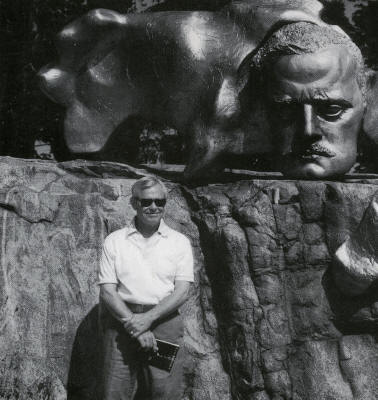
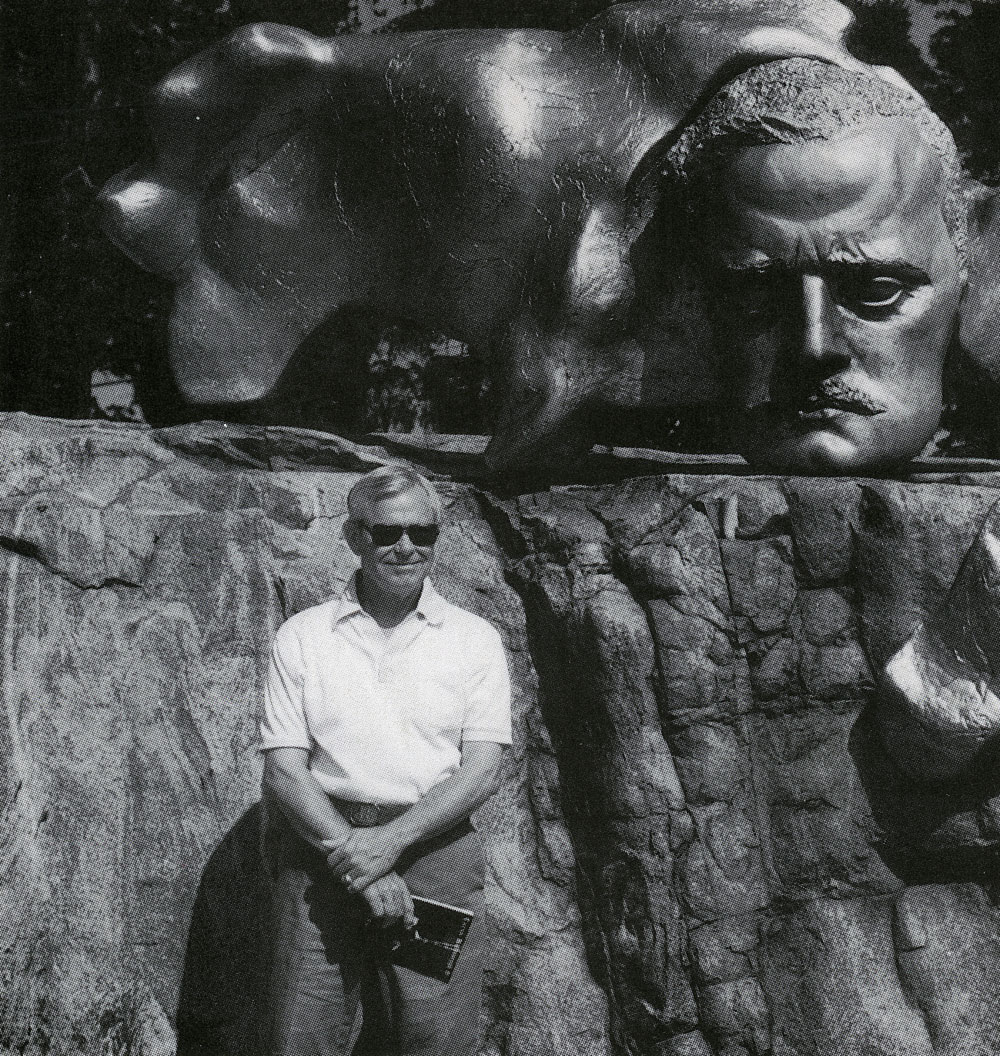
Clare Edward Petty in Helsinki in 1981 in front of a statue of
the Finnish composer Jean Sibelius. A member of the CIA's
Special Investigations Group that conducted the search for
penetrations, Petty concluded that James Angleton himself
was the Soviet mole.
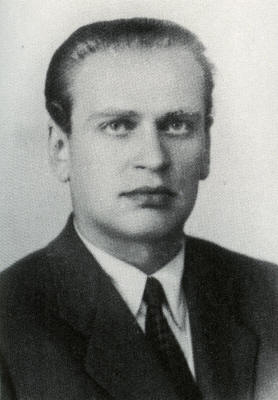
THE SOVIETS:
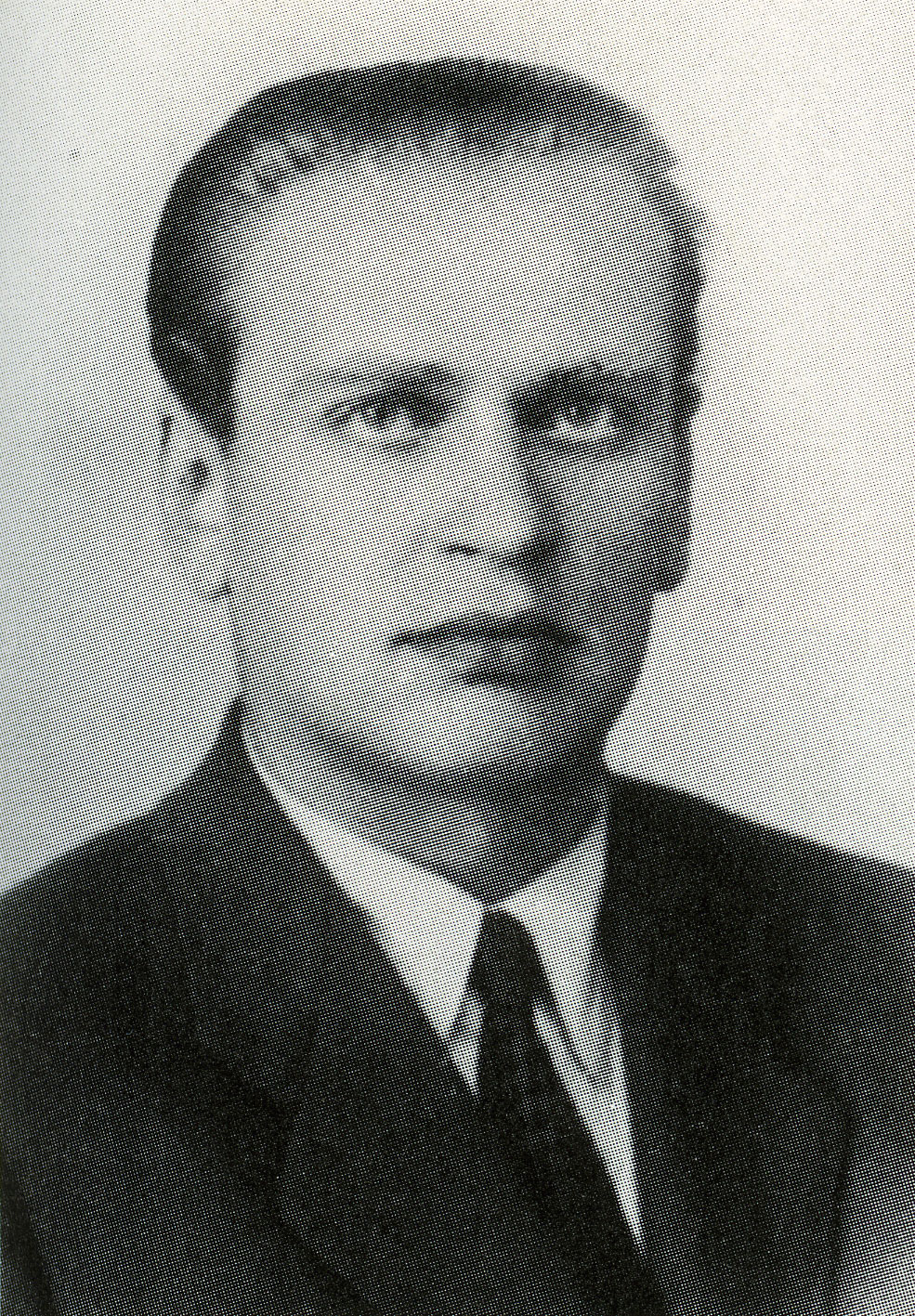
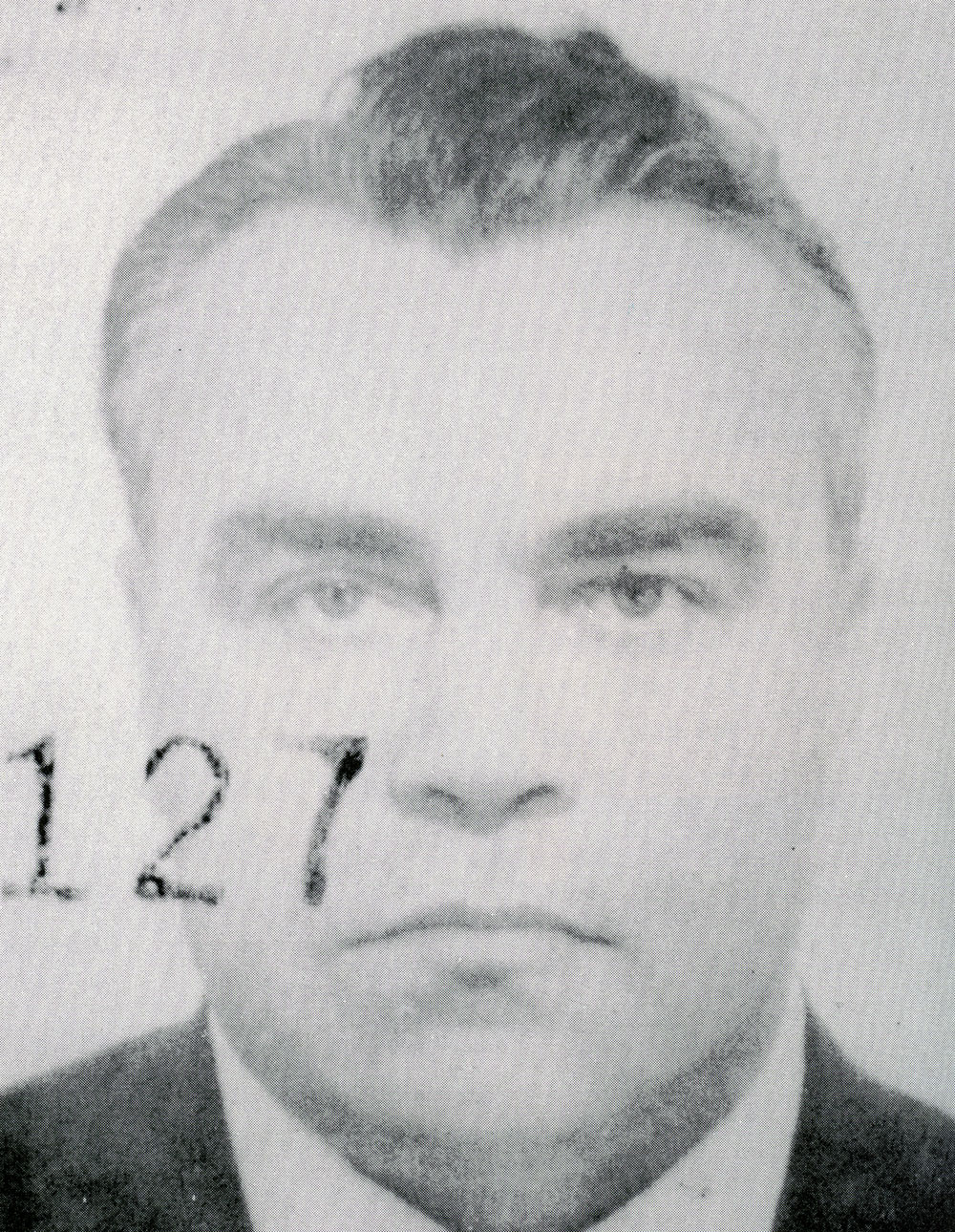
Yuri Ivanovich Nosenko as a young KGB officer
before he defected to the CIA in Geneva early in 1964.
This photograph, obtained by the author, is the first
ever published of Nosenko. A photograph identified as
Nosenko and widely distributed by wire services when
the KGB officer defected was actually of another member of the Soviet disarmament delegation, V. V. Shustov.
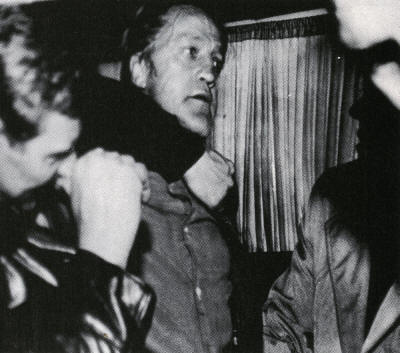
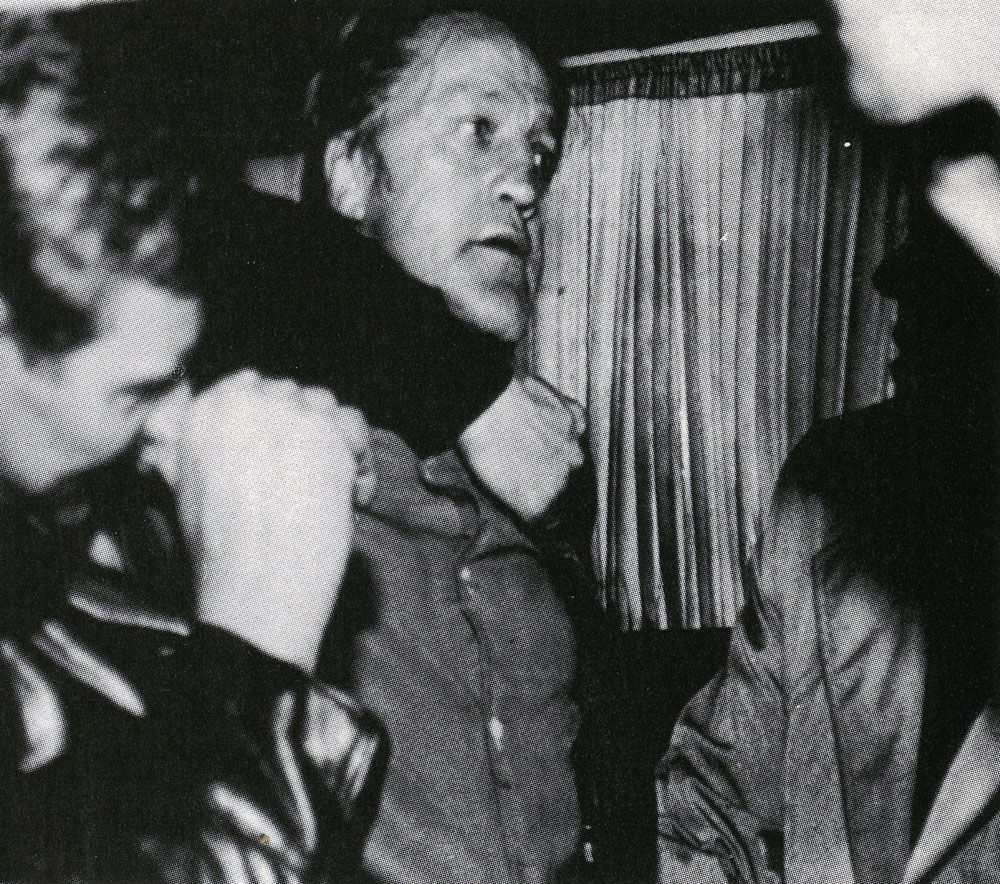
Ado!f G. Tolkachev is arrested by agents of the KGB
in 1985. For almost a decade, during the Carter and
Reagan administrations, Tolkachev was Washington's
most valuable spy in the Soviet Union. But an overly
suspicious CIA had turned him away three times.
The Soviets announced his execution in !986.
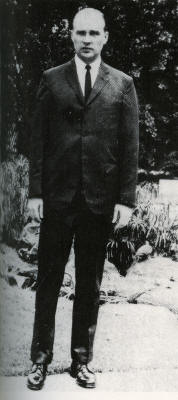
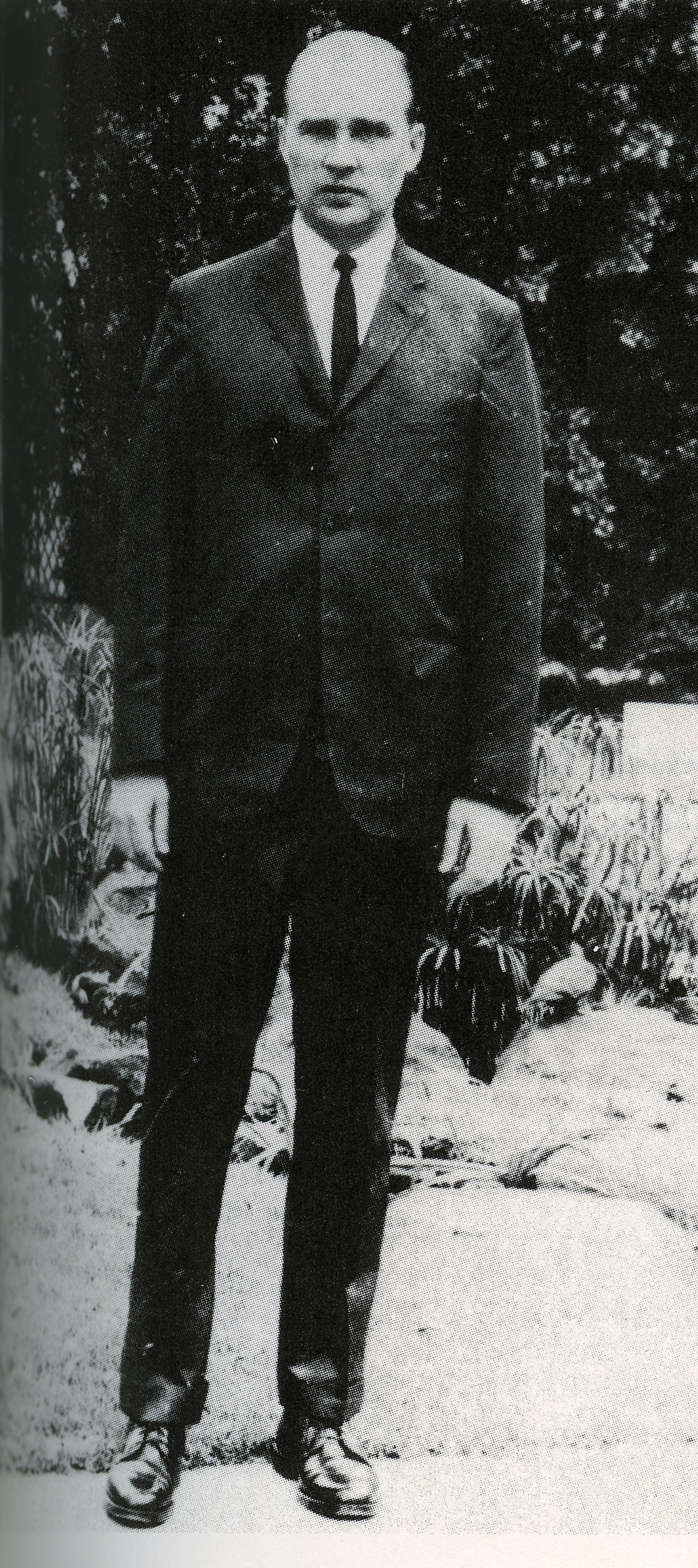
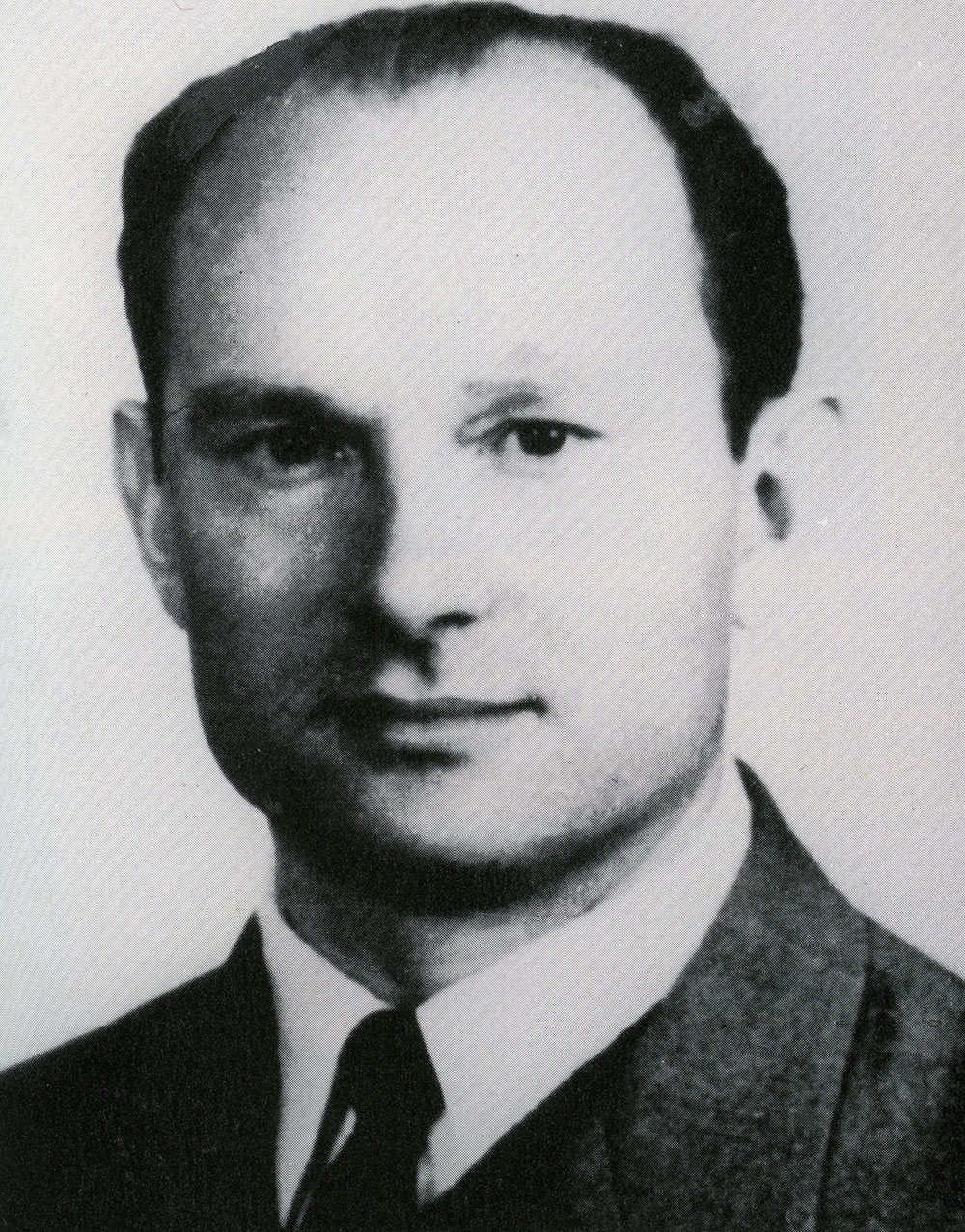
Yuri Loginov, code name AEGUSTO,
the KGB "illegal" who passed information to the CIA for six years in the 1960s.
When the CIA's Soviet division and
Angleton became persuaded that he
was a plant, Loginov was betrayed by
the agency, arrested in South Africa,
and forced to return to the Soviet
Union. Later defectors said he had
been executed.
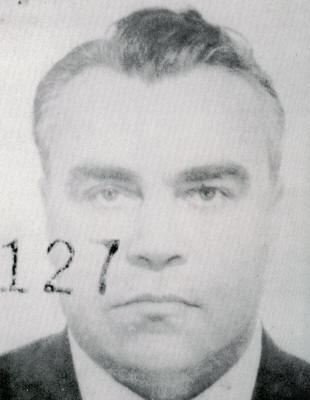
The first published photograph of Aleksei Isidorovich Kulak,
code name FEDORA, the KGB officer at the United Nations
in New York who became a legend of the Cold War. Over
a period of sixteen years, FEDORA passed Soviet secrets to
the United States. J. Edgar Hoover considered him his best spy
and the FBI paid him $100,000. The CIA did not trust him.
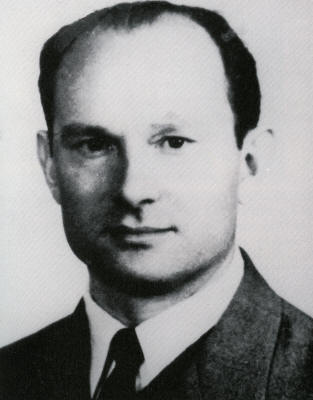
The first published photograph of TOPHAT, Dmitri Fedorovich
Polyakov, another famous FBI source in New York. The
Soviets announced that TOPHAT, an officer of the GRU, Soviet
military intelligence, had been caught and executed for espionage on March 15, 1988.
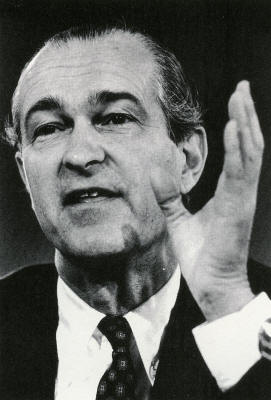
THE AGENCY:
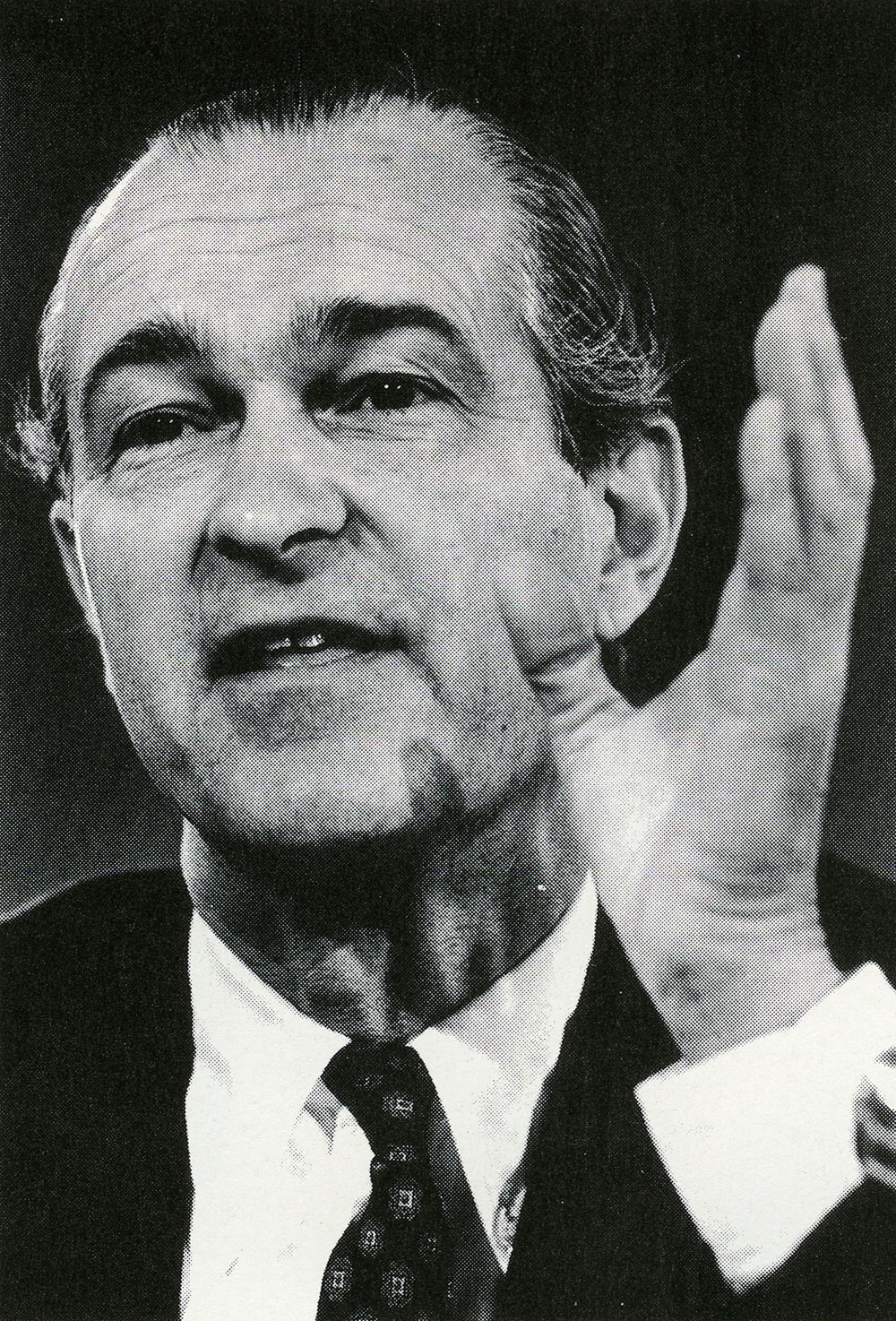
During the era of the mole hunt, Richard M. Helms ran the CIA's
clandestine
directorate and then served as CIA director. A strong supporter of
counter-intelligence chief James Angleton, he defended the need for a mole hunt.
The
possibility of a Soviet spy inside the CIA, Helms said, was "one of the
real
nightmares" he faced as director.
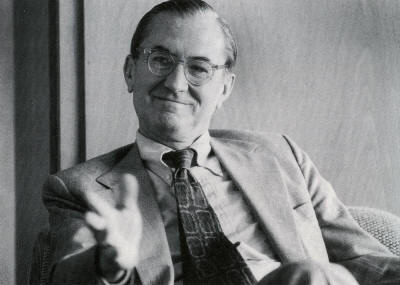
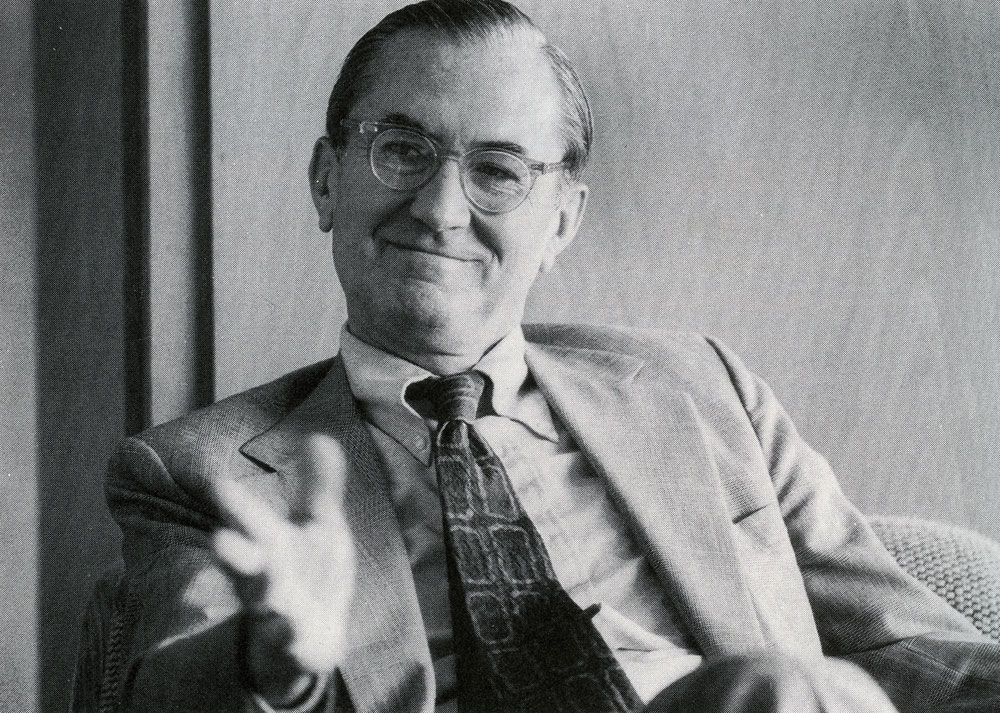
CIA director William E. Colby fired Angleton in 1974.
Go to Next Page
|