|
MOLEHUNT -- PICTURE GALLERY |
|
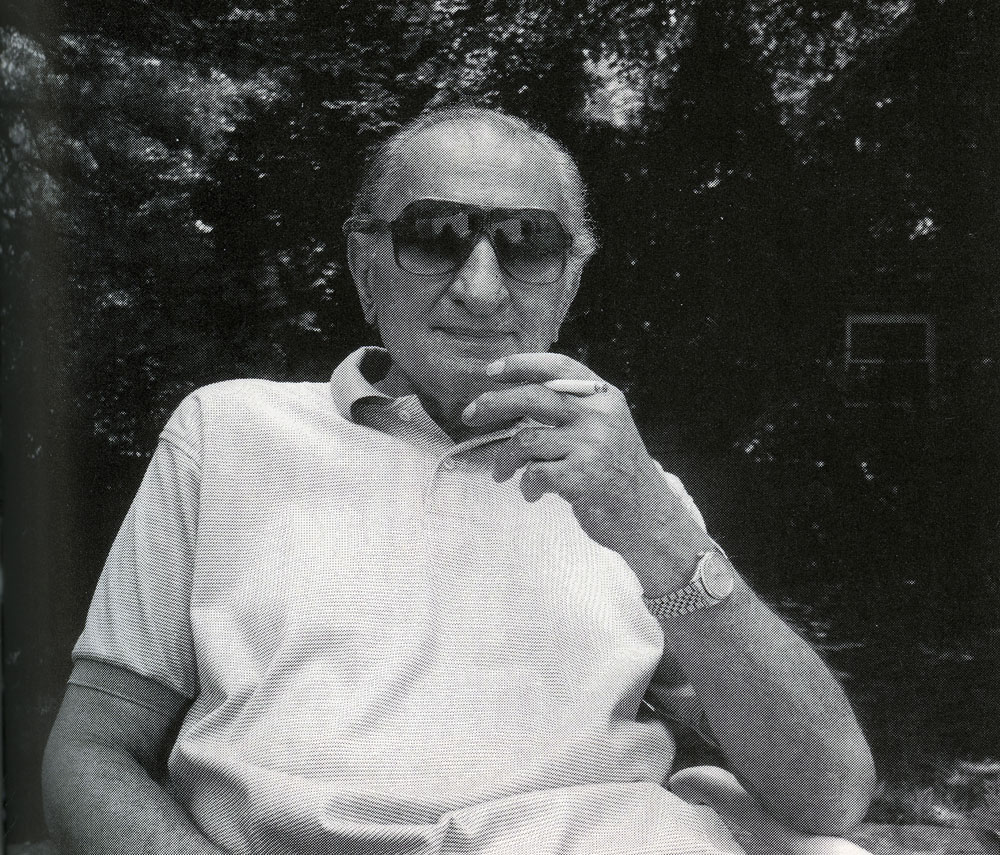
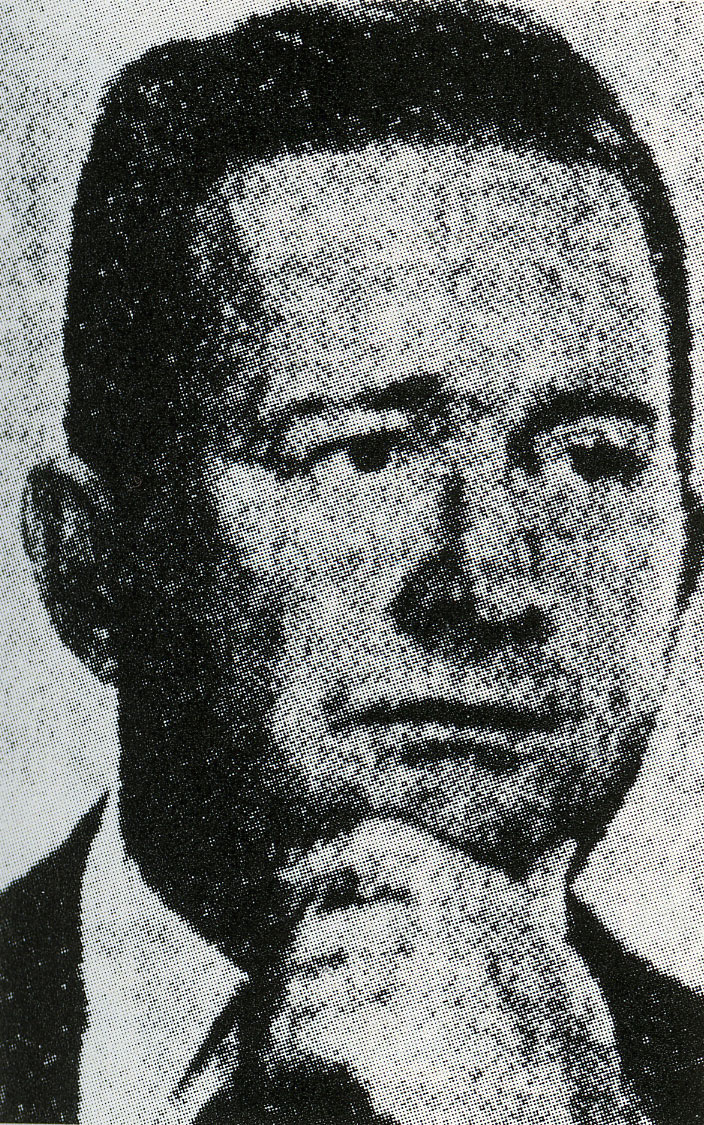
The roots of the mole hunt reached back to the 1950s, when Edward Ellis Smith, the first CIA man sent to Moscow, was sexually compromised by his maid, a KGB agent. KGB agents forced Smith to meet with them. The CIA fired Smith and hushed up the scandal.
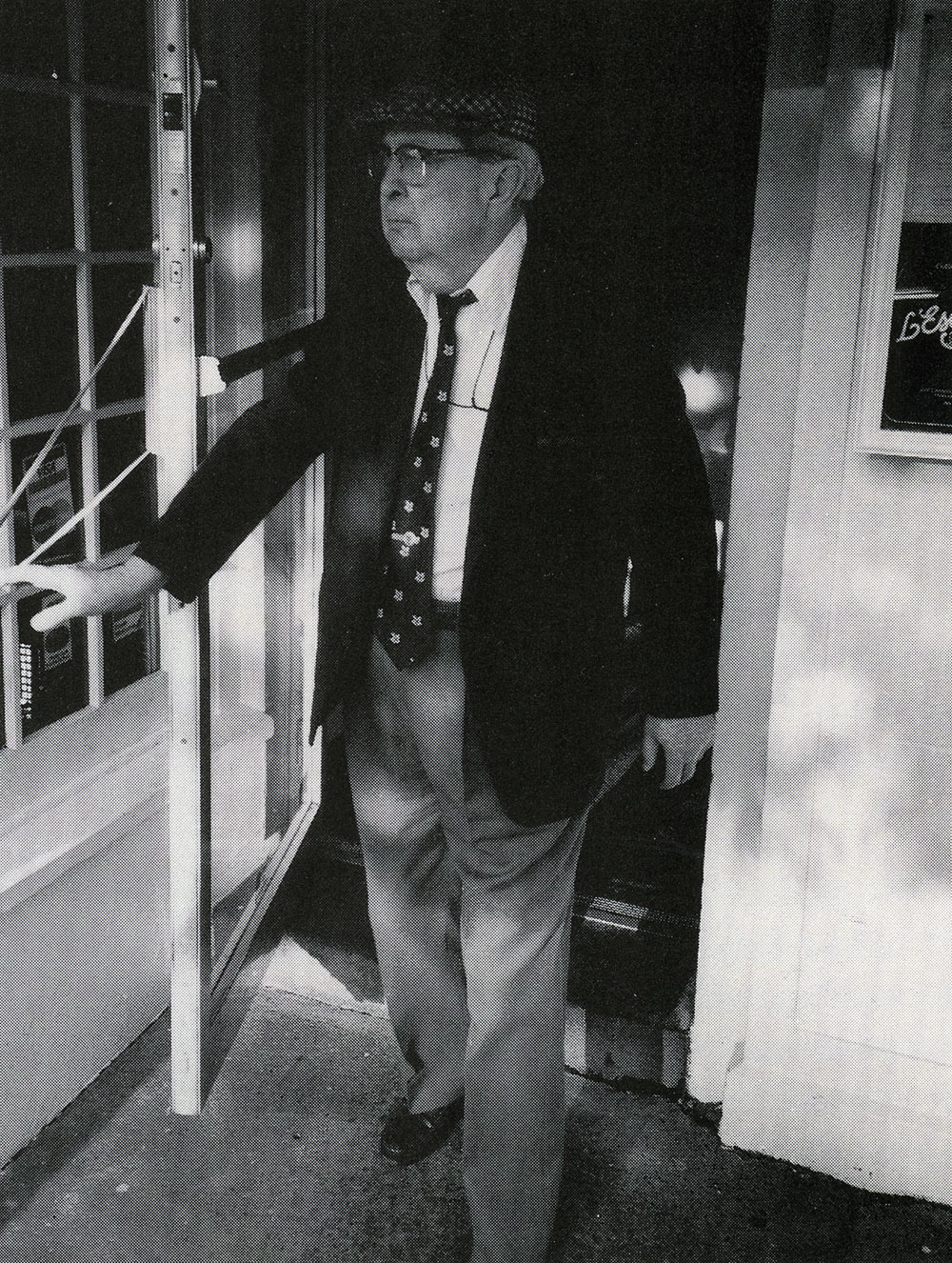
Former CIA station chief Cleveland C. Cram conducted the six-year, classified study of the Counterintelligence Staff and the mole hunt that filled twelve volumes, each 300 to 400 pages long.
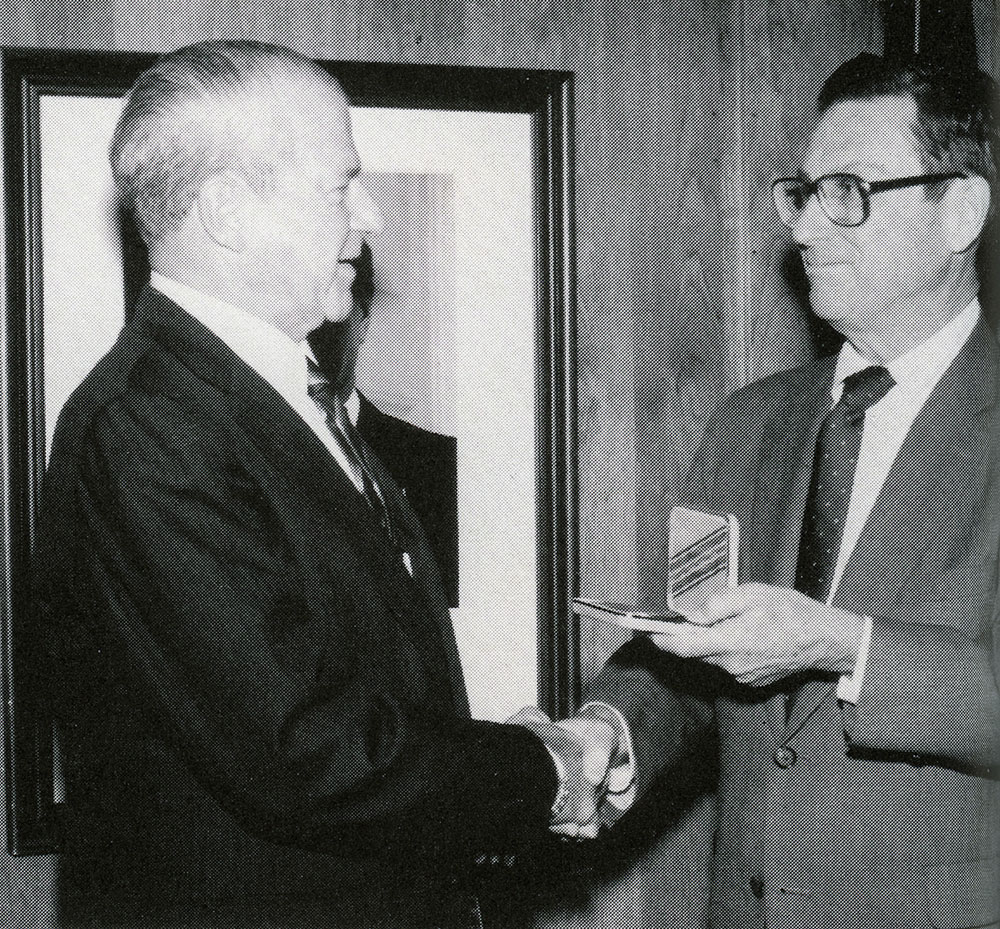
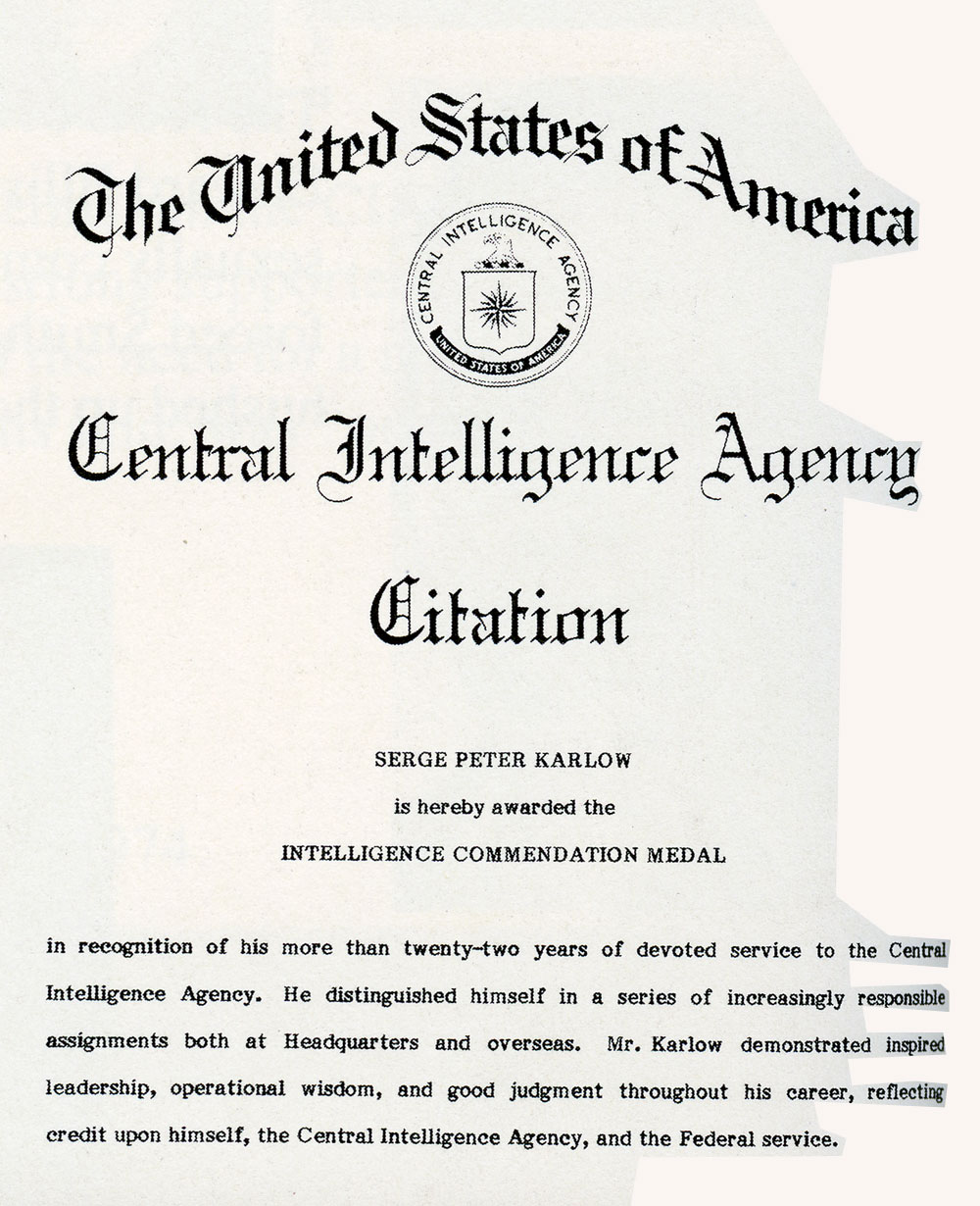
Certificate was signed by CIA director William H. Webster.
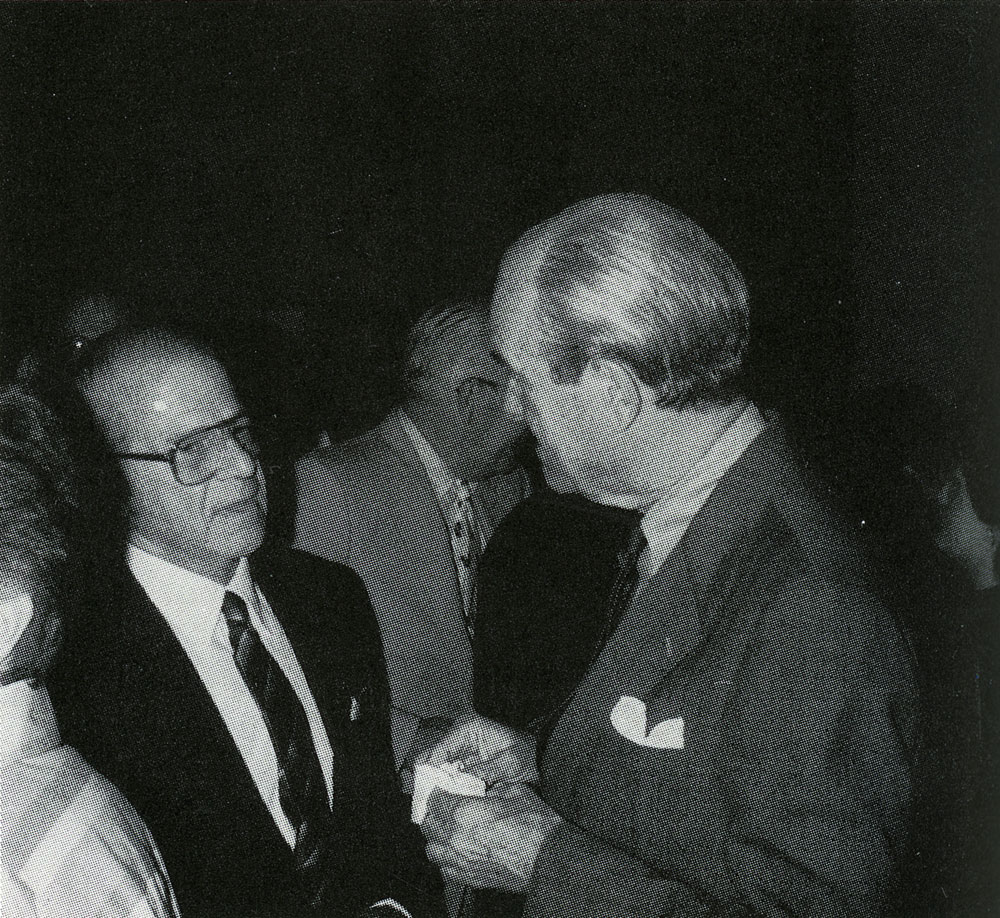
At the party on K Street after the ceremony at CIA headquarters, among those who showed up to congratulate Karlow was former CIA director Richard Helms, right. As deputy director for operations in 1963, Helms did not intervene to prevent Karlow's dismissal.
David Wise is America's leading writer on intelligence and espionage. He is coauthor of The Invisible Government, a number one bestseller that has been widely credited with bringing about a reappraisal of the role of the CIA in a democratic society. He is the author of The Spy Who Got Away, The American Police State, and The Politics of Lying, and coauthor with Thomas B. Ross of The Espionage Establishment, The Invisible Government, and The U-2 Affair. Mr. Wise has also written three espionage novels, The Samarkand Dimension, The Children's Game, and Spectrum. A native Nw Yorker and graduate of Columbia College, he is the former chief of the Washington bureau of the New York Herald Tribune and has contributed articles on government and politics to many national magazines. He is married and has two sons.
|
|