|
MOLEHUNT -- PICTURE GALLERY |
|
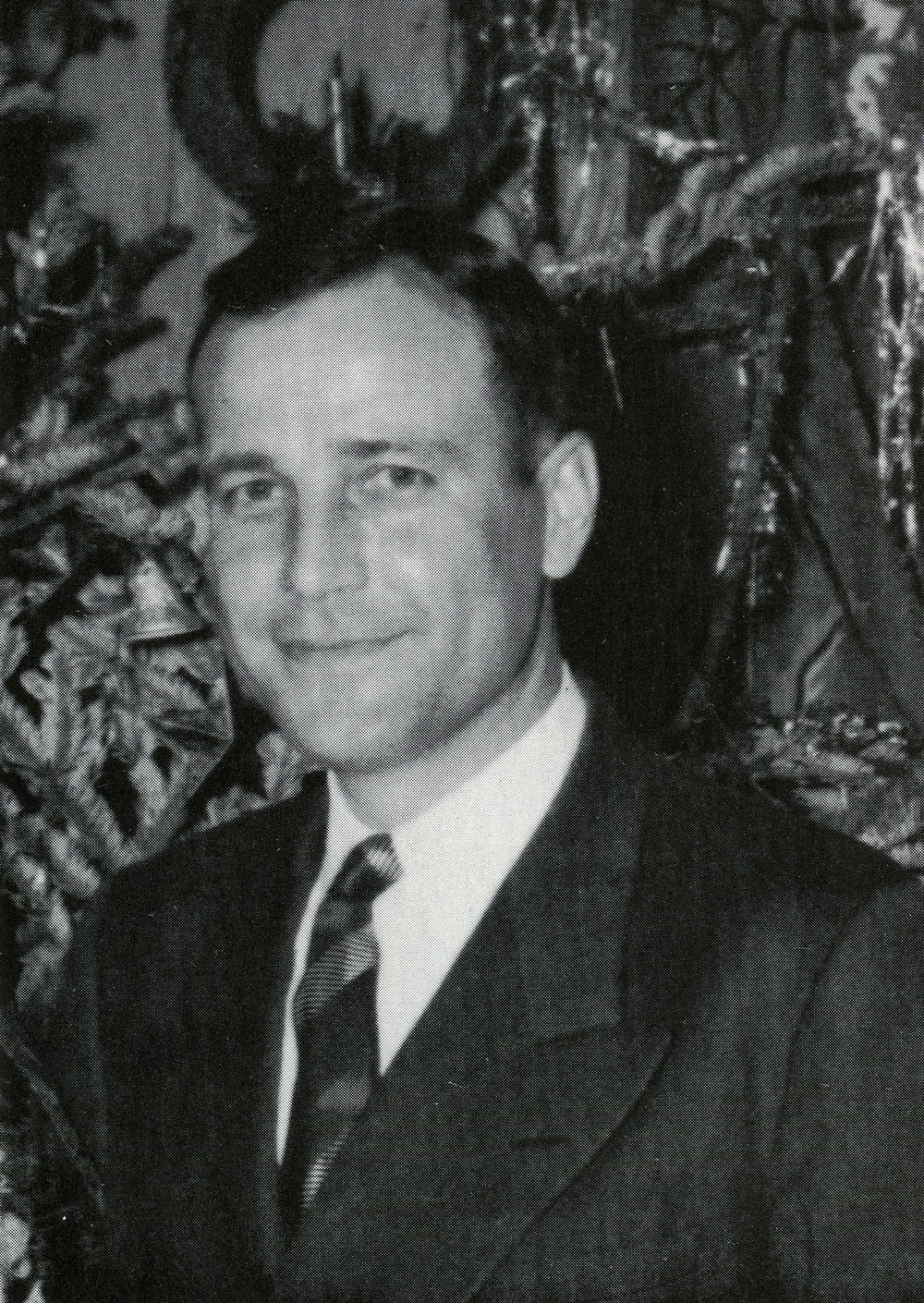
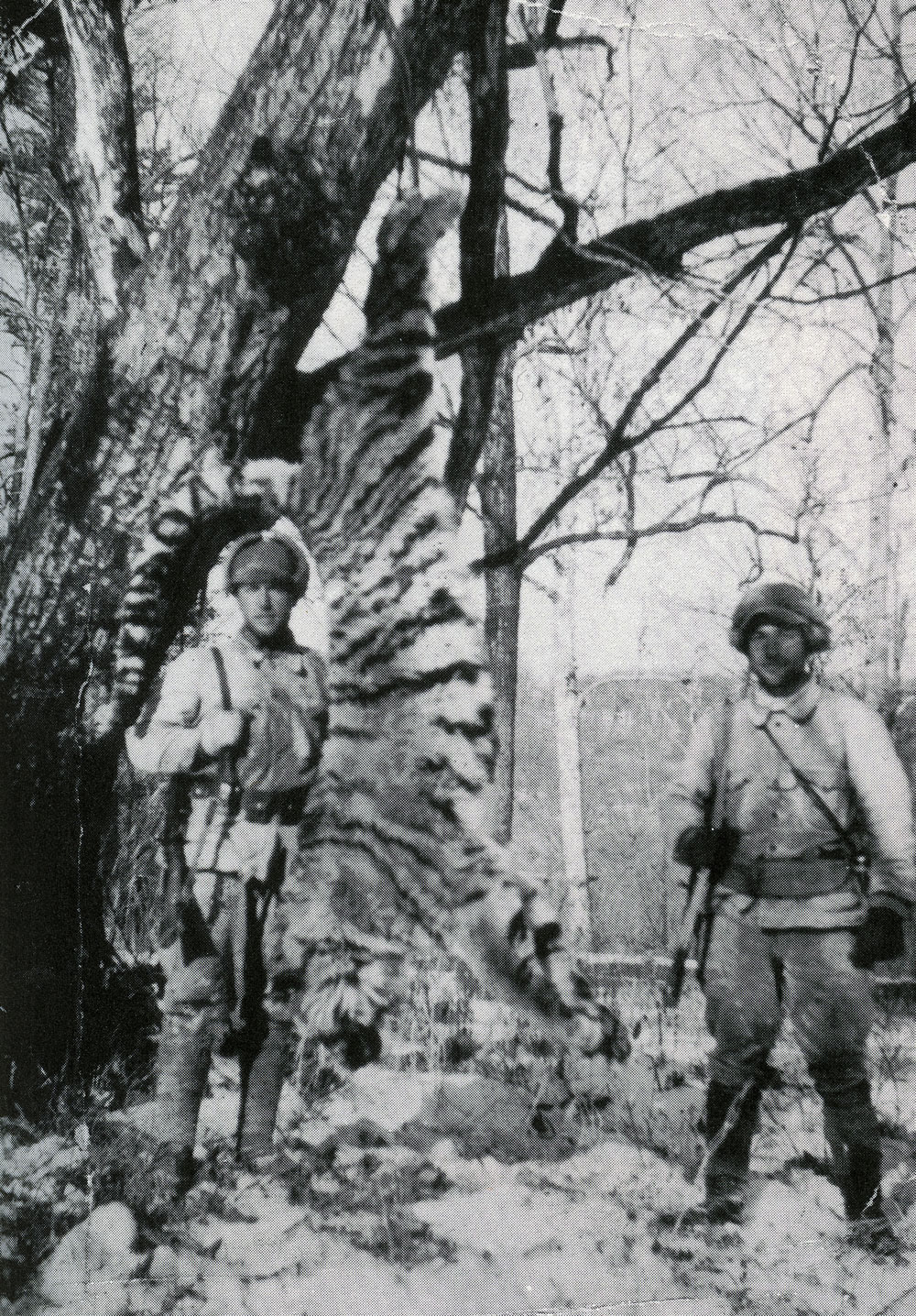
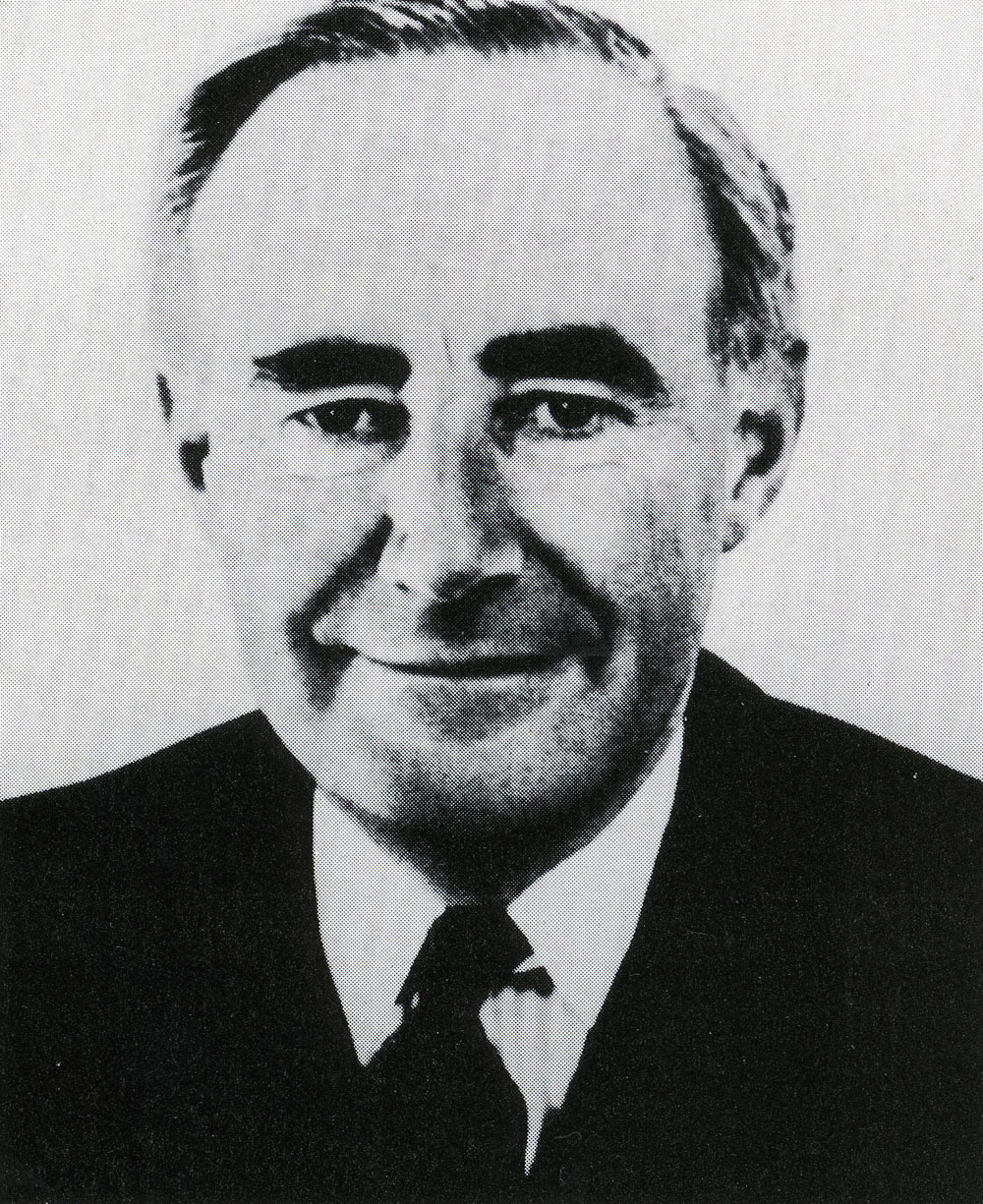
Arseny "Andy" Yankovsky. The Special Investigations Group, the CIA's molehunting unit, suspected that Yankovsky had betrayed his own agents behind the lines during the Korean War. David Murphy, the chief of the CIA's Soviet division, fell victim to the mole hunters himself because he had helped to recruit Yankovsky into the CIA two decades earlier.
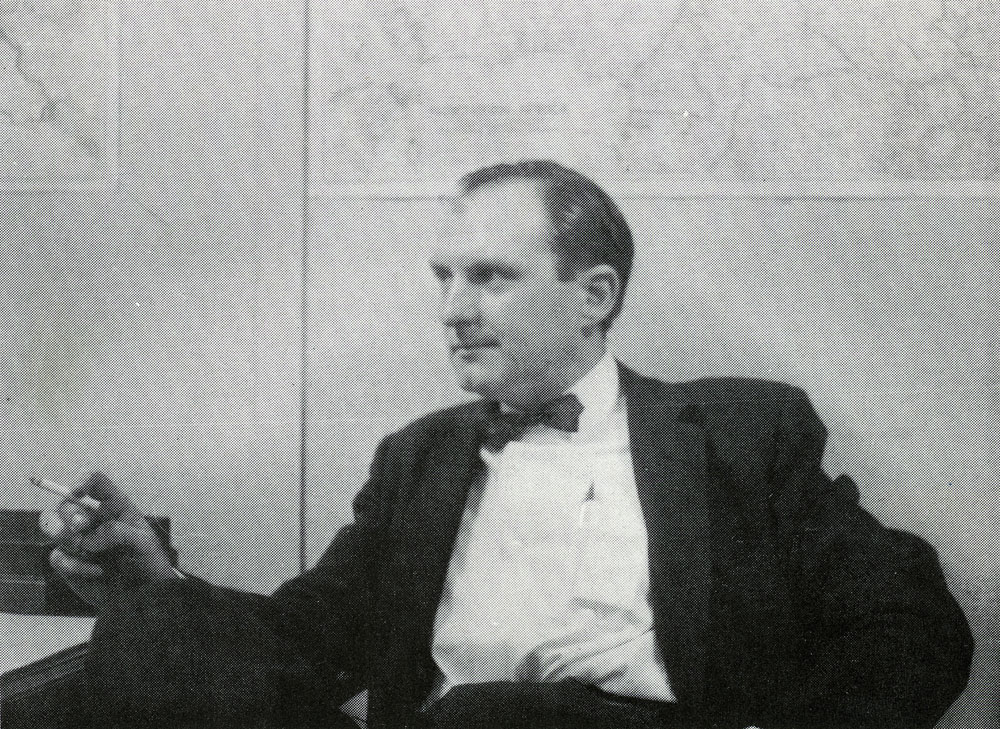
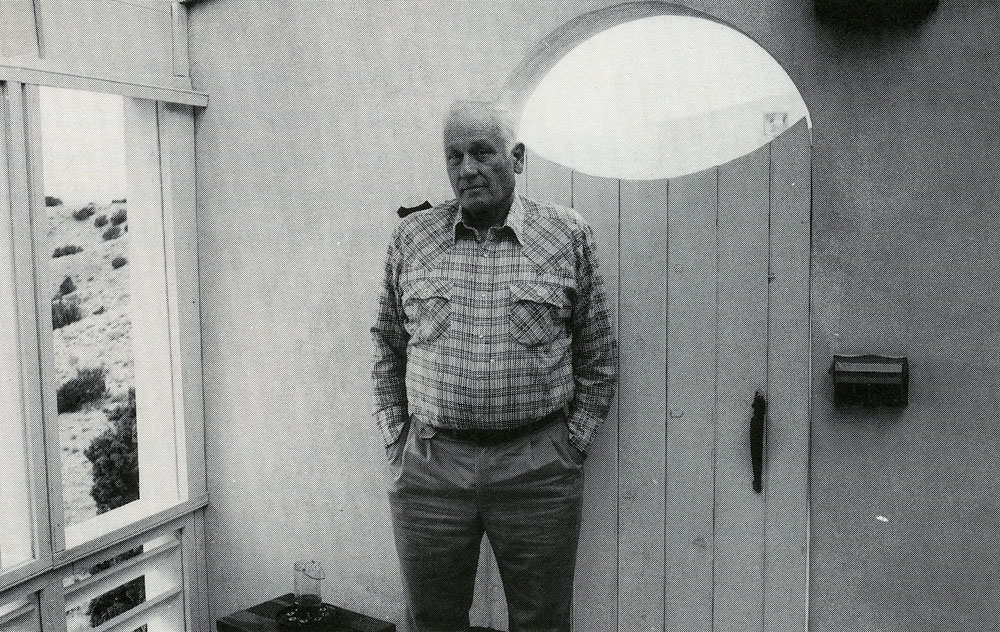
Edgar Snow, a CIA officer who married Yankovsky's stepdaughter, Nata, was fired by CIA director Allen W. Dulles, along with Yankovsky and another CIA case officer, Vivian L. Parker. Dulles considered Snow's dismissal a "tragedy," and helped him find a job after he was forced out of the CIA.
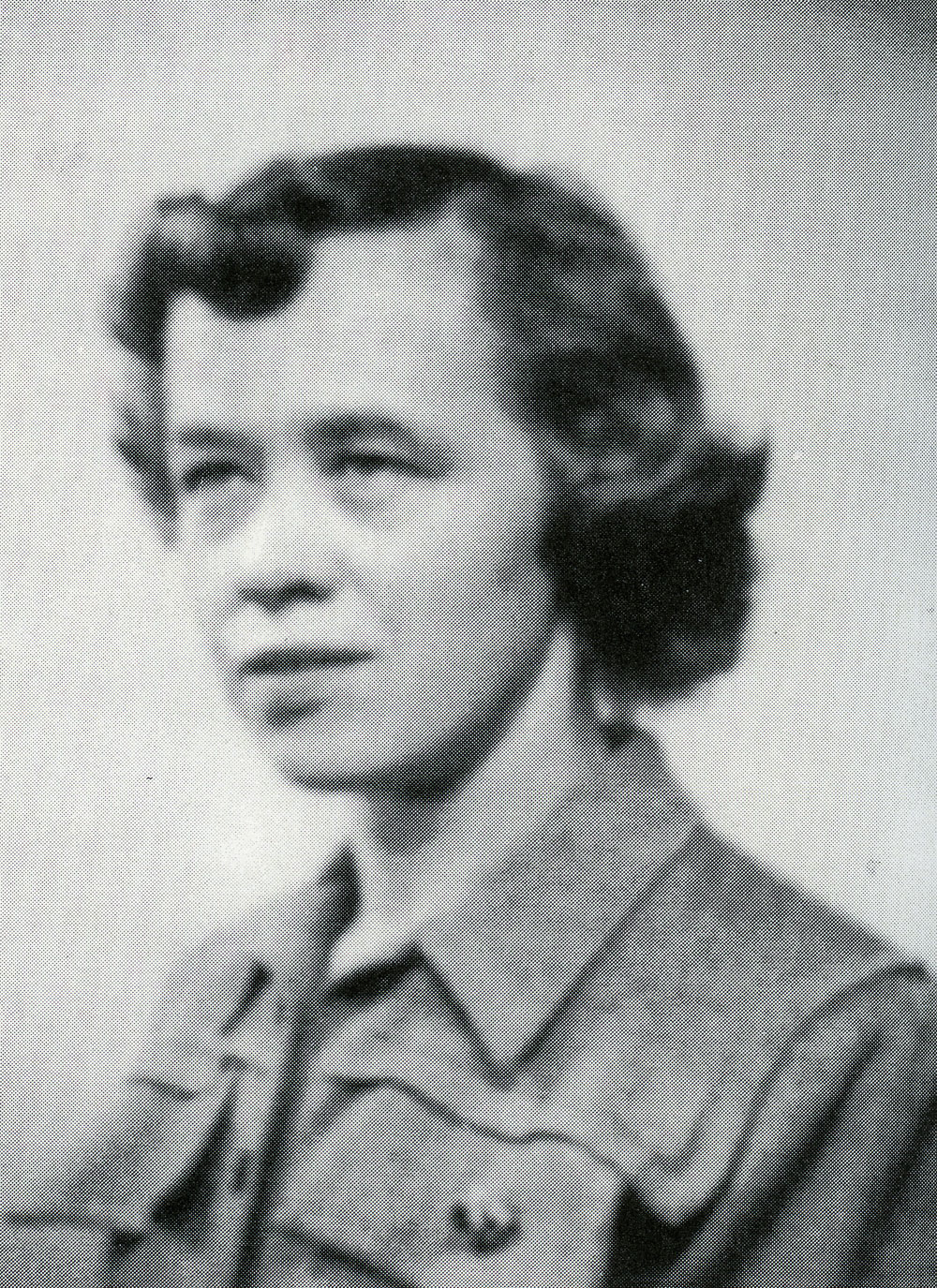
"Trouble is, it was the wrong woman." Ingeborg Lygren, an employee of the Norwegian intelligence service, was falsely accused as a Soviet spy because of erroneous information provided by Anatoly Golitsin and James Angleton. The real spy was caught twelve years later.
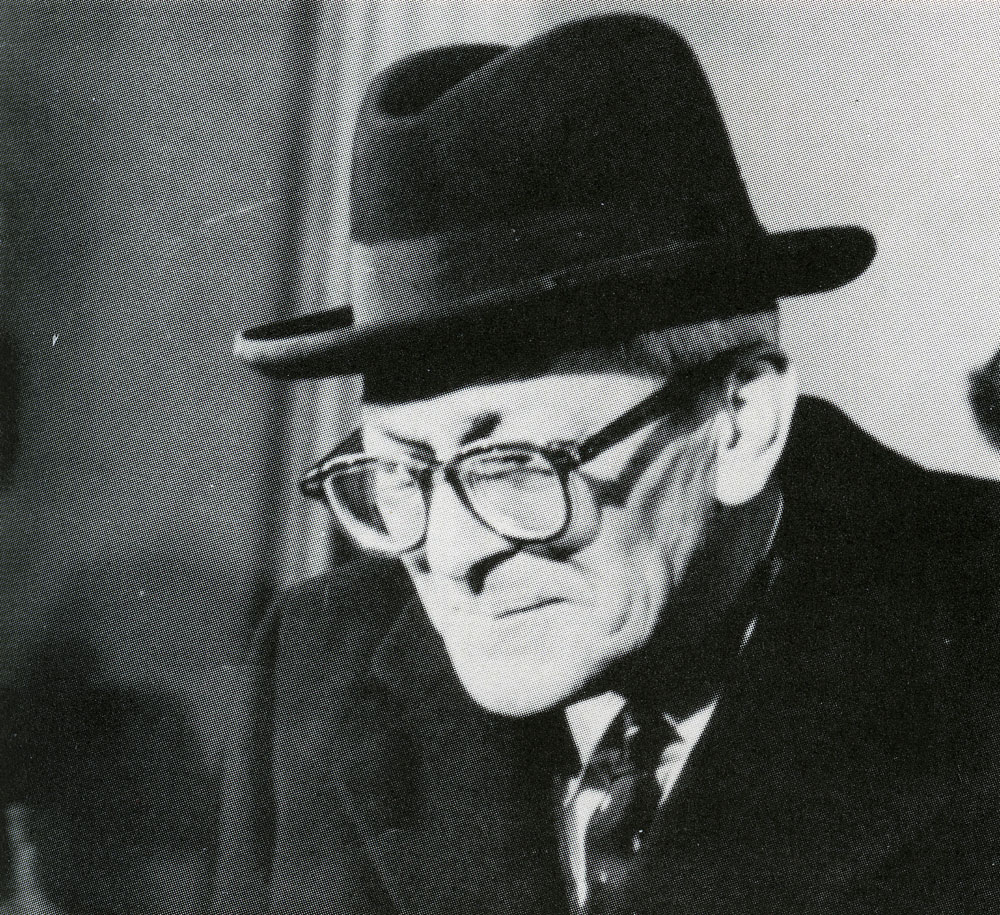
The CIA mole hunt spread to England as well. There, Sir Roger Hollis, the head of MI5, the British security service, was investigated by British mole hunters for years. Prime Minister Margaret Thatcher said "no evidence" was found to incriminate him.
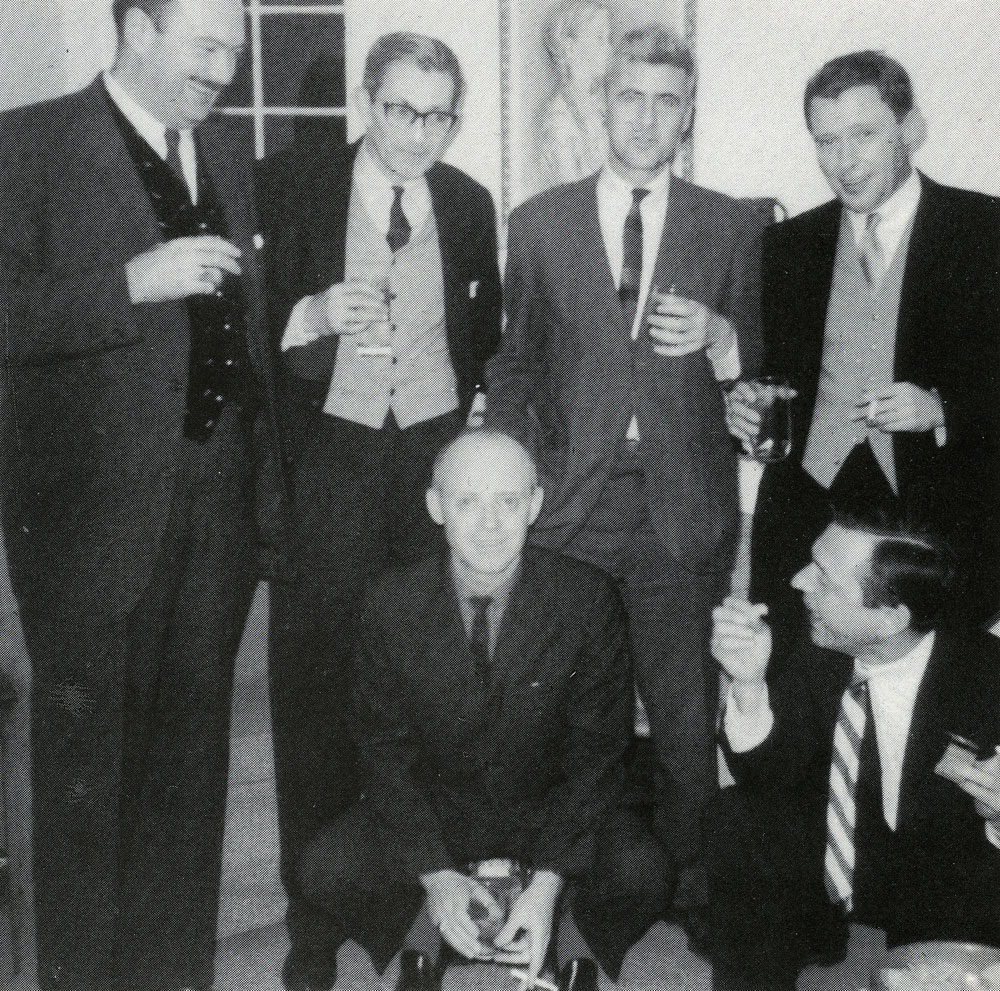
Poets and Spooks: Angleton helped to found a poetry journal at Yale and his friends included a number of poets. In this rare and previously unpublished photo, Angleton, standing, second from left, is shown during a lighter moment at a private party in Washington in the spring of 1966. Others (standing) are, from left, Ambrose Gordon, poet, professor, and contemporary of Angleton's at Yale; Howard Nemerov, poet and novelist; William R. Johnson, a CIA officer and member of Angleton's Counterintelligence Staff; and (seated), left, John Pauker, poet and official of the United States Information Agency; and Reed Whittemore, poet and Angleton's former roommate at Yale.
|
|