|
THE BIBLE UNEARTHED: THE MAKING OF A RELIGION -- ILLUSTRATED SCREENPLAY & SCREENCAP GALLERY |
|
THAT THERE WAS A POLITICAL WILL AT WORK IN THE ORIGINS. Let me turn your question around: How do you see the Hebrew Bible? How would you define it?
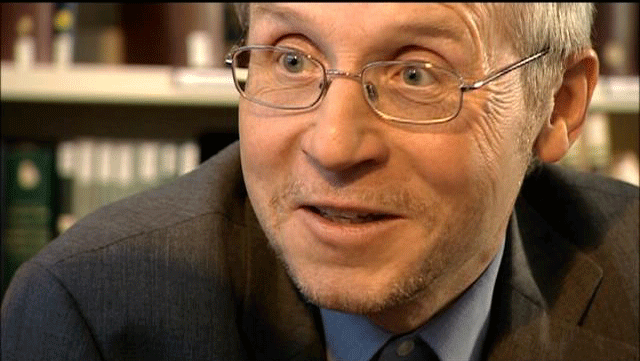
[Israel Finkelstein] In a way, I STARTED FEELING CLOSER TO THE AUTHORS OF THE TEXT, because I sensed more THEIR NEEDS AND FRUSTRATIONS and the problems that they faced and so on. So first of all I would say that I am now, I feel closer to the text, and it gave me a better sense of my own identity, both as an Israeli and as a Jew, and also as a member of the wider community, you can call it, Western civilization or Judaeo-Christian, or whatever. So on both sides.
[Narrator] For many years, our only knowledge of the Bible came from the Bible itself. But modern archaeology has suggested a new approach: an attempt to understand the STORIES of the Bible in terms of their political, geographical, historical and cultural contexts. [?]
What was AT STAKE when the Biblical text was put into writing was THE INVENTION OF A LINEAGE, the ESTABLISHMENT OF A LAW, and THE AFFIRMATION OF A MESSIANIC PROMISE.
All of that was linked to a book which in exile [?] [according to the Bible], became a portable nation, a land that could be copied, studied, passed on and celebrated.
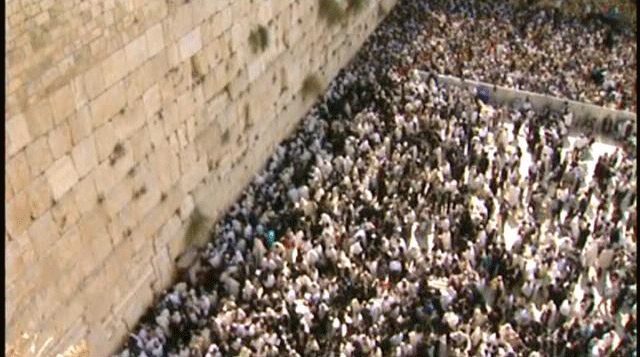
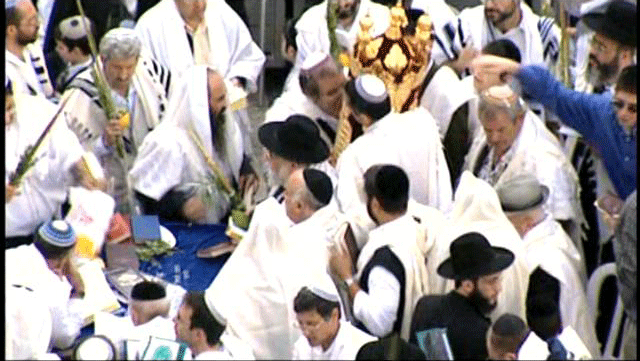
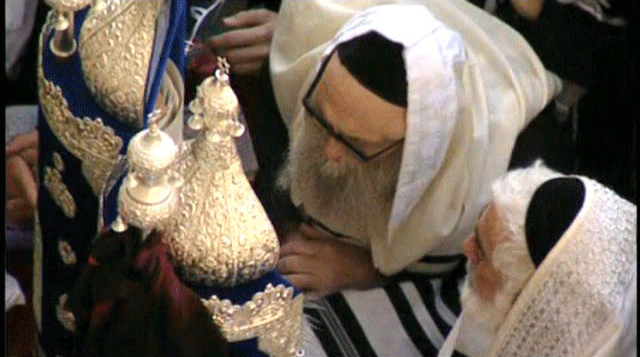
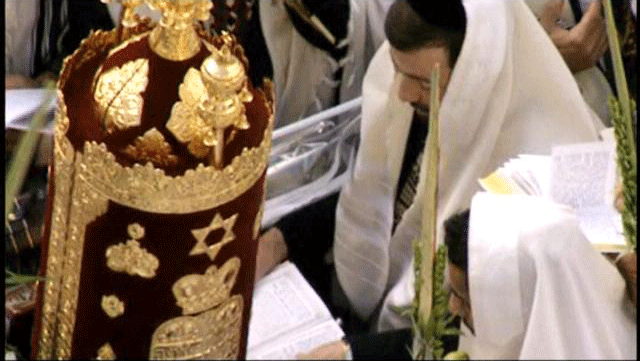
This day of the Jewish calendar is called Simchat Torah -- the rejoicing of the Torah -- or celebration of the book.
As a result of events that were not foreseen by THE PROTAGONISTS, these pillars would become the foundation of Judaism.
|